Casino Dice Games in Australia: Rules and Options
 Available in US
Explore physical and digital dice formats, from craps and Sic Bo to live tables, crash games and the rules behind each wager.

Table of Contents
- What Counts as a Casino Dice Game in Australia?
- Casino Dice Game Types in Australia
- How Casino Dice Games Work: Rules Before the First Roll
- Craps, Dice Tables and the Ritual of the Roll
- Online Dice Casino Options for Australian Players
- Casino Games with Two or Three Dice—and What Changes
- How to Play Casino Dice Online Without Losing the Plot
- Crash Casino Games for Real Money in Australia
- Live Dice Casino: When the Roll Has a Dealer Behind It
- The Casino Games Where You Roll or Throw the Dice
- Bonus Terms, Fees and the Small Print Around Dice Play
- Checking a Dice Casino Before Money Changes Hands
What Counts as a Casino Dice Game in Australia?
A casino dice game is any gambling game in which dice determine, or materially help determine, the result of a wager. That definition sounds simple until the dice leave the table. In a traditional casino, they are visible objects: marked cubes handled by a dealer, shooter or croupier, with the roll forming part of the theatre. In a digital casino, the same idea may be represented by an animation while software generates the outcome behind the interface.
So, what is the dice game in a casino? It is not necessarily one particular title. The category includes games built around a single roll, combinations of dice, or a comparison between dice results. Craps is the familiar table example. Sic Bo is another established format, using several dice and a structured set of wagers. Digital titles may borrow the language and imagery of dice without reproducing the physical table ritual. The label describes the mechanism, not the mood.
That distinction matters. A physical dice table makes uncertainty public. The throw is seen, heard and socially interpreted: a pause before the roll, a cheer at a favourable result, a small crowd treating chance as communal entertainment. In a digital version, the event is compressed into a result on a screen. The animation may suggest a roll, but the player is engaging with a software-generated outcome rather than controlling a physical object.
This shortlist highlights casino operators with details relevant to Australian players exploring dice games in 2026. Use the listed licensing, deposit, bonus, wagering, and payout information to identify which offers merit closer review.
License: Curacao eGaming Licence · Min. deposit: A$10 WinSpirit is listed with a Curacao eGaming Licence and a minimum deposit of A$10. It may suit players looking for a low starting deposit.
License: Curacao eGaming Licence · Min. deposit: A$10 PlayCroco operates under a Curacao eGaming Licence and lists a minimum deposit of A$10. Its key appeal is the accessible entry requirement.
License: Curacao · Bonus: up to A$2,000 Golden Pokies is licensed in Curacao and advertises a bonus of up to A$2,000. The available details make its headline bonus the main point of interest.
License: Curacao (operating since 2017) · Bonus: 250% up to A$2,000 + 50 free spins on the first of six deposits · Min. deposit: A$20 Uptown Pokies has operated under a Curacao licence since 2017. Its offer includes a 250% bonus up to A$2,000, 50 free spins on the first of six deposits, and a A$20 minimum deposit.
License: Curacao eGaming (Hollycorn N.V., since 2017) · Bonus: 225% up to A$1,540 + 600 free spins across 4 deposits, 20x wagering · Min. deposit: A$20-30 (depends on the offer) Playfina Casino is licensed by Curacao eGaming through Hollycorn N.V., with the licence held since 2017. It offers 225% up to A$1,540 and 600 free spins across four deposits, with 20x wagering and a minimum deposit of A$20–30 depending on the offer.
License: Curacao Gaming Control Board OGL/2023/176/0095 (Hollycorn N.V.) · Bonus: up to A$5,000 + 300 free spins across 4 deposits Rollero Casino holds Curacao Gaming Control Board licence OGL/2023/176/0095 through Hollycorn N.V. Its promotion offers up to A$5,000 and 300 free spins across four deposits.
License: Curacao Gaming Control Board OGL/2023/174/0082 (Dama N.V.) · Bonus: up to A$5,000 + 300 free spins across 4 deposits SpinsUp is licensed by the Curacao Gaming Control Board under OGL/2023/174/0082 through Dama N.V. Its offer includes up to A$5,000 and 300 free spins across four deposits.
License: international iGaming licence – jurisdiction not named in the source · Bonus: 100% up to A$1,000 + 100 free spins, 35x wagering · Payout speed: PayID 1-24 hours · Min. deposit: A$30 (PayID from A$10) House of Pokies lists an international iGaming licence, although the jurisdiction is not named in the source. It offers 100% up to A$1,000 plus 100 free spins, with 35x wagering; PayID payouts are stated as taking 1–24 hours, and the minimum deposit is A$30 or A$10 via PayID.
License: Curacao – Antillephone N.V. (Versus Odds B.V.) · Bonus: up to EUR 2,000 across 5 deposits + 200 free spins · Min. deposit: EUR 20 Thor Casino is licensed in Curacao by Antillephone N.V. for Versus Odds B.V. Its promotion offers up to EUR 2,000 across five deposits plus 200 free spins, with a EUR 20 minimum deposit.
License: Curacao · Bonus: up to A$10,000 multi-stage + 500 free spins · Min. deposit: A$20 (POLi) Lucky Dreams is licensed in Curacao and advertises a multi-stage bonus of up to A$10,000 with 500 free spins. The minimum deposit is A$20 when using POLi.
The Australian setting adds an awkward legal boundary. The Interactive Gambling Act 2001 restricts Australian-based operators from offering online casino games, including dice games, to Australian residents. No domestic real-money online casino fills that role. Australians may nevertheless play real-money casino games through international offshore operators, whose licensing jurisdictions commonly include Curaçao, Malta or Gibraltar. The provider’s location and licensing arrangement therefore matter as much as the game’s name.
A casino dice game is thus both a gambling format and a cultural object: part probability exercise, part table performance, part digital interface. The old cube survives remarkably well after the table disappears. Different setting. Same suspense.
Casino Dice Game Types in Australia
The Australian casino dice catalogue is broader than the familiar image of a green Craps table. It includes traditional table games, compact digital titles, and branded formats whose names suggest a local landscape more readily than their mechanics do. The labels matter because two games can both feature dice while offering entirely different betting menus and presentation.
The established table games
-
Craps — The best-known casino dice game, built around a shooter rolling two physical dice and a table full of interconnected bets. It is social, noisy and unusually ceremonial for a game whose central event lasts only a moment.
-
Sic Bo — A three-dice game with a broad spread of bets on totals, combinations and individual faces. Its layout is more self-contained than Craps, making it a natural fit for both live tables and digital interfaces.
-
InOut — A dice format organised around the relationship between the opening roll and later rolls. The name describes the central distinction: an “in” result and an “out” result, rather than a long chain of table conventions.
These games are the recognisable branch of casino dice. They have a visible lineage, established table language and, in the case of Craps, a culture that can make a casual roll feel like a public performance. The newer titles are less interested in ceremony. They want the result quickly.
Digital and branded dice formats
-
Dice Duel — A head-to-head style game in which the attraction is the comparison between competing dice outcomes. It is easier to understand as a contest than as a sprawling table system, which suits a streamlined online casino interface.
-
Lightning Dice — A branded dice game associated with the Lightning family of casino entertainment. Its appeal lies in the combination of a familiar dice result with amplified presentation and a more theatrical digital format.
-
Lucky Seven Dice — A title centred on the recognisable symbolism of seven. The name signals a straightforward numerical theme rather than the layered betting culture attached to Craps.
-
Gold Coast Dice — A branded Australian-flavoured title. Its name borrows the imagery of the Queensland coast, turning place marketing into part of the game’s identity. The geography is decorative, but casino branding has never been troubled by that distinction.
-
Outback Roll — Another location-themed dice title, using the Australian outback as its visual shorthand. It belongs to the digital catalogue rather than to the historical canon of dice tables.
-
Thunder Dice — A fast, emphatic branded format whose name promises impact more than tradition. It sits comfortably beside other online casino games designed around a clear outcome and a strong visual cue.
Demo access and outcome verification
Availability varies by platform, and a title appearing in a casino lobby does not establish that it is offered under Australian domestic licensing. Australia has no domestically licensed real-money online casino for these games; offshore platforms are a separate legal and regulatory question.
A profile review reports that Casumo offers a dice demo mode without requiring a deposit. That is useful for examining the interface without immediately turning a catalogue entry into a financial decision, though demo play does not make a prohibited domestic casino product locally licensed.
Some digital dice titles also make the generation process more inspectable. A profile review states that BGaming dice games use SHA-256 hashing, allowing each roll to be checked independently. This is a feature of those provider titles, not a universal property of every dice casino game.
The practical catalogue, then, has three distinct personalities: Craps with its table ritual, Sic Bo and InOut with their defined dice structures, and branded digital games such as Dice Duel, Lightning Dice, Lucky Seven Dice, Gold Coast Dice, Outback Roll and Thunder Dice. Same object. Different theatre.
Market Australia
Language English
Legal Status Offshore operators only
How Casino Dice Games Work: Rules Before the First Roll
Casino dice rules begin with the betting layout, not with the throw. Every marked area represents a different condition: a total, a combination, a side, or a result that must appear before another result. The wording matters because two bets on the same table can have different probabilities and different payouts.
The first task is to identify what ends the round. In one format, a single roll settles every wager. In another, the opening roll establishes a point, and later rolls are judged against it. Digital versions may simplify this visually, but the underlying rule remains the same: the software compares the generated result with the conditions attached to each bet.
Read the payout beside the outcome
A payout is not a probability statement. A rare combination may pay more, while a frequent result pays less. The important comparison is between the advertised return and the total amount staked over time. This is where RTP, or return to player, belongs. It is a theoretical figure for the game, not a promise attached to one session or one roll.
The published RTP should be visible in the game information or rules panel. If it is missing, the mathematics has been kept behind a curtain. That is not a particularly charming tradition.

RTP also needs to be read alongside the individual betting options. A dice game can contain several markets, each with its own payout and house edge. Choosing the bet with the largest headline prize does not make it the most favourable option. The table’s structure decides that.
How the result is generated
For digital dice games, the outcome is produced by a random number generator. A profile review reports that Betway, LeoVegas, Casumo and 888 Casino use certified RNGs, with testing by independent laboratories such as eCOGRA or iTech Labs. That describes those named operators, not every casino displaying dice on a screen.
A separate profile review states that BGaming dice games use SHA-256 hashing, allowing each roll to be checked independently. This is a different model of transparency: the game supplies a cryptographic record that can be tested rather than asking for faith in animation.
The practical rule is simple. Read the winning conditions, inspect the payout, find the RTP, and establish how the result is generated. Only then does the first roll mean anything.
Craps, Dice Tables and the Ritual of the Roll
Craps is the casino dice game in which probability acquires a stage set. The felt table is long, crowded with marked betting areas, and designed to make a single throw visible to everyone around it. The dice are small, hard-edged and closely watched. Nothing about the arrangement suggests private contemplation. Craps is a public performance with odds printed on the furniture.
Legal Boundary Australian-based operators are restricted from offering online casino games to Australian residents under the Interactive Gambling Act 2001.
At the centre is the shooter, the player who rolls the casino craps dice. Before the first throw, the table is already a social object: players stand around it, place chips in different areas, and follow the dealer’s calls. The shooter does not own the game, but briefly owns its attention. A good roll attracts encouragement. A bad one produces the familiar theatrical silence of people pretending not to take mathematics personally.
Reading the craps table
A craps table contains several betting zones rather than one simple betting line. The Pass Line is the most recognisable area, while other sections refer to particular numbers or events during the roll. The layout is deliberately dense. It allows several wagers to remain active at once, but it also turns the table into a kind of visual vocabulary that newcomers must learn before the symbols become meaningful.
The dealers manage the layout and announce outcomes. Their language is part of the ritual: concise calls, chips moved with practised speed, and a result confirmed before the next throw. In a physical casino, the table therefore has two systems operating together. One is mathematical, built from combinations of dice results. The other is ceremonial, built from timing, gestures and shared attention.
The casino craps table dice are not presented as mysterious objects. They are inspected, handled openly and thrown onto the far end of the table, where they must strike the wall. That requirement makes the result visible and discourages a gentle private drop. The wall is functional, but it also supplies the theatre: the dice bounce, scatter and announce themselves.
Why the dice matter
Craps dice are ordinary-looking objects carrying unusual social weight. A player may hold them only briefly, yet the table treats the throw as an event. Players watch the arc, the impact and the final positions. The physical dice create a pause between decision and result that digital interfaces often compress into a button press.

That pause explains part of the enduring appeal of real casino dice. The attraction is not simply the possibility of a winning outcome. It is the feeling that the outcome has travelled through space in front of witnesses. The table gives chance a body.
This also explains why casino dice strategy is often discussed in practical rather than magical terms. Experienced players may choose a limited set of wagers, understand what each marked area means and avoid treating a run of throws as evidence that the next result is “due”. None of this changes the independence of the roll. It changes only how much confusion is purchased alongside the bet.
In Australia, the physical table is generally associated with an international casino rather than a domestically licensed online casino. Australian law does not permit domestic operators to offer online casino games, while players may access real-money casino games through offshore operators. The ACMA actively blocks offshore sites, and unlicensed venues carry real risk. The romance of the craps table does not suspend regulation.
Craps survives because it makes randomness communal. The table turns separate wagers into one shared scene. Then the dice hit the wall. The room waits.
Online Dice Casino Options for Australian Players
A casino dice game reaches Australian screens by taking an awkward legal route. The local venue is familiar enough: felt, chips, a dealer or croupier, and the small theatre of waiting for a result. The online version is different. No Australian-licensed real-money online casino offers this product, because casino games are prohibited online services under the Interactive Gambling Act 2001.
That restriction applies to Australian-based providers offering online casino games to Australian residents. It does not make the player’s act of placing a bet at an offshore site a criminal offence. The law targets the provider. This distinction explains why casino dice online pages can still appear in Australia while the domestic market has no lawful casino licence for them. The door is closed locally. The side entrance is not imaginary.
The best-known table game built around a shooter rolling physical dice.
A three-dice game featuring a broad spread of bets on totals and combinations.
A format organised around the relationship between opening and later rolls.
Why offshore sites appear in the market
Australian players who seek an online dice casino are therefore dealing with international operators rather than domestic businesses. Offshore casinos serving Australia commonly operate under licences associated with Curaçao, Malta or Gibraltar. Such a licence is not an Australian casino licence, and it does not turn a prohibited domestic product into a locally regulated one. It identifies the jurisdiction in which the operator claims regulatory oversight.
That difference matters when a platform advertises a dice game online casino lobby, a digital table, or a 3 dice casino game. The branding may look local: Australian dollars, familiar payment options, and language aimed at Australian customers. The legal location is elsewhere. A polished interface is not evidence of permission.
Licence checking has to follow the issuing jurisdiction. MGA and Curaçao licensing authorities maintain public registers, and a licence number can be cross-referenced on the regulator’s official website. Gibraltar-related claims likewise need confirmation from the relevant authority rather than reliance on a badge placed in a site footer. A missing number, a broken verification route or a mismatch between the operator’s name and the register is not a decorative imperfection.
It is a warning.
ACMA blocking changes the risk
The Australian Communications and Media Authority actively blocks offshore gambling websites. A site offering casino dice online may therefore disappear, become inaccessible, or return under another address. Blocking is not a guarantee that every reachable platform is legitimate; it is simply an enforcement mechanism aimed at prohibited services. Availability and legality are not synonyms.
This creates a practical problem for anyone comparing online casino dice options. A platform may accept Australian visitors today and still face blocking activity later. An address that loads is not proof of stable access, and a new mirror address is not proof of a new licence. Unlicensed sites carry a particularly serious risk because there may be no credible regulator to approach when an account is closed, a balance is disputed or a withdrawal stalls.
The absence of an Australian public casino-licence register makes the check less tidy than a local betting comparison. ACMA does publish a register of Australian-licensed interactive wagering service providers, but that concerns permitted wagering categories, not domestic online casino products. Sports betting is a different legal product. A casino dice game cannot borrow its legitimacy from a sports-betting licence.
The price of an apparently small deposit
Payment pages deserve the same suspicion as licence pages. A minimum deposit can conceal a fee attached to the selected method. One reviewed platform advertised a minimum deposit of AU$10 but charged a 5% surcharge on certain payment methods. That is a finding from a profile review, not a market-wide rule.
Withdrawal conditions can be equally specific. A platform covered in a profile review charged AU$5 on all bank-transfer withdrawals. Another reviewed platform charged AU$3 on withdrawals under AU$100. These are examples of operator-level terms, not standard charges for every casino dice online game. The relevant fee schedule is the one attached to the account and payment method in use.
This is where the offshore model reveals its less glamorous sociology. The player is not merely choosing between Craps, Sic Bo or a digital dice table. The player is entering a private contract written by a business outside Australian casino regulation, while the public authority is busy trying to prevent the service from reaching the market. The interface offers the drama. The terms carry the power.
What a credible access check looks like
Before money moves, the operator’s identity should be clear, its licence number should be verifiable with the named regulator, and its terms should explain deposits, withdrawals, account closure and dispute handling. The game provider should also be identifiable. A casino dice game online is not made safer merely because it resembles a physical table; software, payments and account controls all sit behind the image of the roll.
Verification Checklist
A responsible platform should provide deposit-limit tools before the first transaction and make self-exclusion available without making the process deliberately difficult. Those controls do not solve the offshore legal gap, but their absence tells its own story. If the site treats limits as an inconvenience, the customer is being asked to supply the restraint that the operator chose not to build.
The sensible comparison is therefore not a list of the most attractive dice casino online interfaces. It is a check of jurisdiction, licence, access stability, payment deductions and player controls. The Australian market offers no domestic casino licence to confirm for this product. Offshore access may exist, but it remains conditional, interruptible and exposed to the risks created by ACMA blocking. A bright table on a screen is still an offshore service wearing evening clothes.
Casino Games with Two or Three Dice—and What Changes
The number of dice changes the shape of the game, not the underlying fact that every result is uncertain. A casino game with dice may display a total, a winning combination, or a comparison between separate outcomes. The table can look familiar while the mathematics quietly changes underneath.
Games with two dice
A casino game with 2 dice usually presents the result as a sum, a pair, or a defined combination. Craps is the clearest traditional example: two physical dice are thrown together, and the total determines which betting conditions apply. The visible drama comes from the throw; the relevant information is the relationship between the two faces.
Digital versions can make the same structure feel more clinical. A screen may show each die separately before presenting the total, or move directly to the final result. That difference affects presentation rather than probability. A pair remains a pair, and a total remains a total, whether the dice are felt on felt or rendered by software.
Two dice also create a compact betting language. Players may be choosing between totals, specific combinations, or broad outcome groups. The more detailed the bet, the narrower the event it describes. It is not a question of the dice becoming more generous. They have no such social instinct.
Games with three dice
A casino game with 3 dice produces more possible combinations and therefore a wider range of totals. Sic Bo is the familiar format: three dice are rolled, and bets may concern the total, a matching combination, or a broad category such as a high or low result. The extra die gives the interface more information to display and the rules more combinations to distinguish.
The practical difference is not simply “one more die”. Three dice make ordered and repeated patterns more prominent. A triple is visually unmistakable, while two matching faces in a three-dice result form a different kind of event. The game may therefore offer several layers of betting rather than one central total.
Digital verification
Online dice formats do not need to show a physical throw to make each round distinct. Betway, LeoVegas, Casumo, and 888 Casino are reported to use certified random number generators. A separate profile review says that BGaming dice games use SHA-256 hashing, allowing each roll to be checked independently. That is a provider-specific feature, not a universal property of every digital dice game.
The useful comparison is therefore simple: two dice tend to keep attention on totals and pairs; three dice add combinations, triples, and broader result categories. The number of dice changes the vocabulary of the bet. It does not turn chance into a pattern.
How to Play Casino Dice Online Without Losing the Plot
Playing casino dice online is less theatrical than standing beside a crowded table, but the sequence is straightforward. A digital interface replaces the felt, the calls and the small ceremony of passing dice from hand to hand. What remains is a chain of decisions: choose the game, set the stake, select a bet, and confirm what the system recorded.
- Use demo modes to examine interfaces
- Check independent laboratory certifications (eCOGRA/iTech Labs)
- Verify individual roll hashes for provably fair games
- Assume a digital animation equals physical control
- Treat high headline prizes as the most favourable option
- Rely on visual cues alone without checking mathematics
Start with the game, not the button
The first screen may contain several dice formats, each with its own layout and betting options. A player deciding how to play casino dice should open the information panel before placing money on the table. The useful details are the available bets, the minimum and maximum stake shown by the game, the stated RTP, and the way the result is generated.
A free mode can make this first inspection less expensive. A profile review reports that Casumo offers a dice demo mode without requiring a deposit. That is a claim about that operator, not a general feature of online casinos, so the availability of a free version still needs to be confirmed on the game page.
The demo has a modest virtue: it removes the pressure to pretend that an unfamiliar interface is self-explanatory. Buttons become less mysterious when they are not attached to a balance.
Set the stake before choosing the outcome
Once the game is open, the stake field normally comes before the bet selection. The amount should be decided as part of a session budget, not adjusted in response to the previous roll. Dice games do not remember a losing result, and increasing the next wager does not repair the earlier one.
The important distinction is between the stake for the round and the particular outcome being backed. In some games, one control may offer several bets with different prices and returns. The interface should make clear whether the amount applies to one selection or to the whole round. If that remains unclear, the sensible action is to stop before confirmation.
A useful playing sequence is:
- Open the game information and inspect the available bets.
- Set a stake that fits the session budget.
- Select the intended outcome.
- Check the displayed total before pressing the roll or play button.
- Wait for the result to settle.
- Compare the result with the bet selected.
- Open the round history and confirm the recorded stake, outcome and return.
This is how to play dice at a casino without allowing animation to replace arithmetic.
Read the result after the animation
The visual roll is presentation. The settled result is the part that determines whether the bet won or lost. A player should check the result panel, balance change and round history rather than relying only on coloured flashes or celebratory sounds. The history matters because it gives the round a fixed record after the screen has moved on.
Where a game offers technical verification, the process becomes more exact. A profile review states that BGaming dice games use SHA-256 hashing and that a server seed is provided after each round, allowing the outcome to be checked cryptographically. This applies to the described BGaming implementation, not to every casino dice game online. The relevant controls may be labelled “provably fair”, “verify”, or “game history”.
The check is simple in principle: retain the round details, wait for the server seed to be revealed, and use the stated verification method to reproduce the result. A site that hides the history or offers no way to examine the published mechanism leaves the player with theatre and no audit trail.
Pause when the record stops making sense
If the balance changes without a matching round, the selected bet differs from the intended one, or the history fails to load, further play should stop until the discrepancy is resolved. Screenshots and round identifiers are more useful than memory, particularly when several rolls have appeared in quick succession.
The cleanest way to play a dice game in a casino interface is therefore almost unfashionably dull: one decision, one recorded round, one check. No chasing losses. No treating a streak as a message. The dice have no memory, but the transaction history should.
Essential Summary
- Australian players must access games via international offshore operators due to local restrictions.
- Digital dice games rely on RNG or cryptographic hashing rather than physical mechanics.
- Always verify the operator’s licence and scrutinize small print regarding fees and withdrawals.
Crash Casino Games for Real Money in Australia
Crash games sit beside casino dice games without quite belonging to the same family. The screen may be bright, the stake may be small, and the result may arrive with the same abruptness as a die landing on the felt. But the mechanic is different. There is no fixed table of dice outcomes and no conventional payout for a particular face. Instead, a multiplier rises while the round remains alive, and the wager must be cashed out before the crash.
That creates a different kind of theatre. A dice table turns probability into a visible object: two cubes, a marked layout, a dealer or shooter. Crash games turn it into a line moving upwards. The suspense is not “which total appeared?” but “when will the line stop?” It is still gambling, only with the furniture removed.
How the crash mechanic differs from dice
Titles such as Crash X, Aviator, and JetX are often grouped with online casino dice games because they are quick, visual, and easy to play on a digital casino platform. They are not casino games that use dice, however. Their central feature is a rising multiplier.
A round begins with a wager. The multiplier increases, and the player may use a cash-out function while the round is running. If the crash occurs first, the wager does not receive the multiplier that was being watched on screen. The temptation is obvious: the longer the wait, the more attractive the number becomes, and the more fragile the decision feels.
This separates crash play from casino table games with dice. In Craps or Sic Bo, the result is generated by a roll and settled according to defined bets. In a crash round, timing becomes part of the interface. The player is not choosing a dice total; the player is choosing when to leave a moving event.

That distinction matters when searching for a dice game casino name. A crash title may appear in a casino’s “dice” or “instant games” area, but its rules should be read on their own terms. The label is commercial. The mechanic is not.
Real-money access and small deposits
A specialist review describes different entry points for crash games at named operators: PlayOJO is reported as allowing a minimum deposit of $1, while LeoVegas and Betway are reported as starting at $5. Those figures belong to that review’s operator comparison, not to the market as a whole. Deposit conditions can change, and a low minimum does not make an online casino lawful in Australia.
The legal setting remains awkward by design. Australia does not have a domestically licensed real-money online casino for these products. The Interactive Gambling Act 2001 prohibits providers from offering online casino games to Australian customers, while targeting the provider rather than the individual player. Offshore availability therefore does not equal local licensing. A casino games played with dice label, a crash lobby, or a polished mobile app changes none of that.
Payment conditions also need separate attention. A deposit amount shown on a page may not be the final cost if the method carries a surcharge. The number beside the deposit button is not always the number leaving the account.
Bonus contribution is the unpleasant footnote
Crash games are particularly important in bonus terms because their contribution can be sharply restricted. A platform-specific report states that Lucky Vibe assigns crash games a 5% contribution toward wagering requirements. The same figure is reported for crash games offered by Neospin. These are individual operator terms, not a universal rule for every dice casino or crash lobby.

The same type of operator review reports a stricter position elsewhere: Wild Tokyo and Ritzo do not allow crash games to contribute toward welcome-bonus wagering requirements. In practical language, a wager can be placed and settled without helping unlock the bonus. A large promotional balance may therefore be decorative until the exclusions are understood.
This is why the word “bonus” deserves less excitement than scrutiny. The relevant lines are the game contribution percentage, excluded titles, maximum cashout, and any restrictions attached to withdrawals. Crash games may be listed beside casino dice games while being treated entirely differently in the promotion’s small print.
Read the terms first.
Provably fair claims and verification
Some crash products marketed for real money are described in specialist material as using provably fair technology. The stated purpose is to let players verify the outcome rather than simply trust an unexplained animation. One described model provides a server seed after each round, allowing cryptographic checking of the result.
That is not the same as saying every crash game is independently verifiable. The verification method has to be visible, intelligible, and available for the relevant round. A site that displays a badge saying “fair” but does not explain the hash, seed, or checking process offers a slogan, not an audit trail.
The same caution applies to claims about the “best” crash casino games Australia 2026 may offer. A title can be popular, fast, or visually persuasive without providing a meaningful way to inspect its result generation. A transparent system does not turn a high-volatility game into a safe one. It merely makes one part of the mechanism inspectable.
Tournament gloss
A specialist review describes Casumo as running a Crash Masters tournament through June 30, 2026, with a $10,000 AUD prize pool. That is a time-limited promotional claim from that review, not a standing feature of crash games or evidence that the offer remains available.
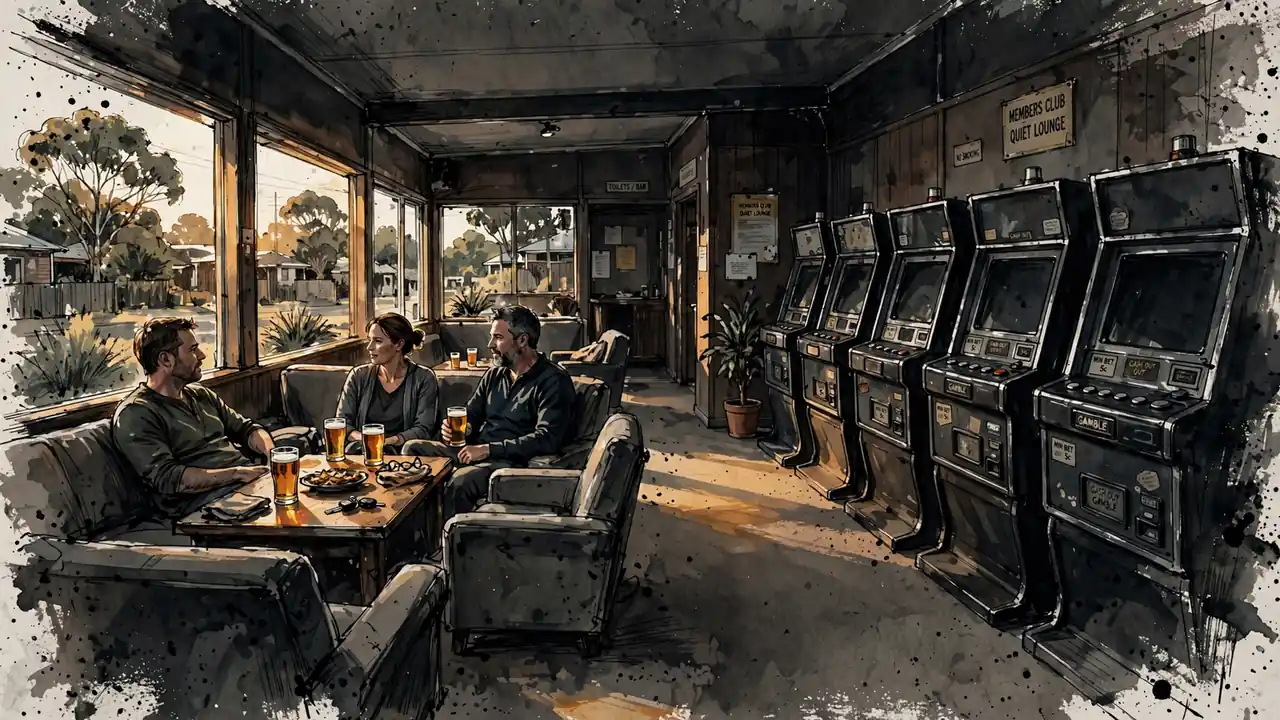
Tournaments add another layer to the psychology. The screen no longer presents only a multiplier; it presents a ranking, a deadline, and the suggestion that continued play is participation. The old casino instinct has acquired a leaderboard.
For anyone comparing crash formats with casino dice games, the essential divide remains simple: dice games settle a wager through a defined roll or generated dice result, while Crash X, Aviator, and JetX turn the round into a rising multiplier and a timing decision. The visual drama is different. So is the bonus treatment. And neither should be confused with an Australian casino licence.
Live Dice Casino: When the Roll Has a Dealer Behind It
A live dice casino adds a human presence to what would otherwise be a software display. The stream shows the dealer, the table, the dice and the moment an outcome is produced. That visibility changes the mood, not the mathematics. A dealer can explain a bet and maintain the ceremony; she cannot turn an unfavourable result into a favourable one.
The table view matters because it gives the round a physical setting. Dice are handled in front of a camera, results are announced, and the interface records the selection made before the roll. This is casino theatre with a data trail. The theatre is valuable to players who dislike the blankness of an automated screen, while the record matters when a result needs to be checked.
What to inspect in a live dice table
A credible live table should make several details easy to see:
- the dealer and the dice throughout the relevant part of the round;
- the available betting options and the closing point for bets;
- the announced result and the settled bet;
- the game history, including the outcome of earlier rounds;
- the operator’s published information about randomness and testing.
Live presentation does not replace independent verification. A profile review states that Betway, LeoVegas, Casumo and 888 Casino use certified random number generators, with testing by independent laboratories such as eCOGRA or iTech Labs. That is a claim about those operators, not a universal badge for every live table.

The distinction is easy to miss. A visible dealer may make a game feel more accountable, but visibility alone proves neither licensing nor fairness. Streaming can be polished; small print can remain stubbornly dull. It usually wins.
For Australian players, live dice is still an online casino product rather than a locally licensed casino service. The live format changes how the roll is presented, not the legal character of the offering. A dealer behind the table is therefore part of the interface, not a substitute for checking the operator’s status and the game’s recorded results.
The Casino Games Where You Roll or Throw the Dice
A genuine casino game where players roll dice is built around a visible physical act. Craps is the clearest example. A shooter takes two dice, sends them across the table, and the result becomes part of the room’s theatre: felt, calls, glances, and the small collective pause before the dice settle. The roll is not merely a method of generating numbers. It is the event being watched.
Sic Bo sits closer to the middle. In its traditional form, a dealer shakes three dice in a covered cage and reveals the combination. The player does not necessarily throw the dice personally, but the outcome still comes from a physical throw performed at the table. That distinction matters. “Rolling the dice” can describe the player’s action, the dealer’s action, or simply the game’s central ritual.
Digital versions remove that ritual. A software dice game may display animated dice, while an RNG determines the outcome without any physical object being rolled. The graphics borrow the language of the table; the mechanism belongs to the machine. Theatre survives. Gravity does not.
Some online crash games use a different standard of transparency. A provably fair system may publish a server seed after each round, allowing the result to be checked cryptographically. A specialist industry review describes such verification as a feature of selected real-money crash titles, not as a universal property of every dice or crash game. The distinction is useful: a verifiable algorithm is not a thrown die, even when the screen shows one.
For Australian players, the practical boundary is therefore simple. A physical table game has dice handled by a shooter or dealer. An online game has software generate the result, whether through a certified RNG or a provably fair mechanism. The image may roll. The object does not.
Bonus Terms, Fees and the Small Print Around Dice Play
Checking a Dice Casino Before Money Changes Hands
For Australian players, the first check is legal rather than decorative: no domestically licensed real-money online casino exists. The Interactive Gambling Act 2001 prohibits providers from offering online casino games to Australian customers, while targeting the provider rather than the player. Offshore access therefore carries a different question: not “does it look official?” but “which regulator issued its licence, and is that licence still valid?”
A sensible check-list is short:
- confirm the licence number on the regulator’s official website;
- check whether the site sets a deposit limit before the first transaction;
- look for self-exclusion that does not depend on reluctant support staff;
- confirm that the casino displays bet-by-bet game history;
- check the game provider’s published theoretical RTP;
- for provably fair games, verify the hash and server seed;
- read the withdrawal terms, including fees and processing expectations.
MGA and Curaçao authorities maintain public registers, but an offshore licence is not an Australian casino licence. The distinction matters. So does the small print.
A casino that makes self-exclusion difficult is providing information about itself. Deposit limits should be available before money is deposited, and self-exclusion should be possible for at least 24 hours, ideally one month. A request that requires an email and a long wait is not a meaningful safety tool.
Payment claims also deserve evidence. Same-day payouts for e-wallets are a reasonable benchmark; anything slower should be stated clearly rather than hidden behind vague promises. A responsible final check includes the casino’s fees, withdrawal rules, account-closure process and inactivity policy. A profile review reports that Ozwin Casino does not charge an inactivity fee, but that is a statement about one operator, not a market standard. The same profile review lists Ozwin’s dice promotion as carrying a 200% match, 25x wagering, a $2,000 maximum cashout and the code DICEROLL until February 2027. Such terms require confirmation directly with the operator before any deposit, since promotional conditions can change.
The final test is wonderfully unglamorous: if the licence, limits, verification method or withdrawal rules cannot be checked, the money can remain exactly where it is. Better there.
Is it legal to play casino dice games for real money in Australia in 2026?
Yes, Australians can play real-money casino dice games through international offshore operators. However, Australian-based operators cannot offer online casino games to Australian residents, and the ACMA blocks offshore operators, so licensing should be checked carefully.
What is the best casino dice game Australia 2026 real money wins for beginners?
Craps is the best-known casino dice game, while Sic Bo has a more self-contained layout that may be easier for beginners to follow. Beginners should also check the operator’s wagering rules, as dice bets may contribute only 10% or 20% toward bonus requirements.
What are the licensing requirements for interactive gambling?
Australian-based operators cannot offer online casino games, including dice games, to Australian residents under the Interactive Gambling Act 2001. Offshore operators commonly use Curaçao, Malta or Gibraltar licences, but players should verify the licence because the ACMA actively blocks unlicensed sites.
Can Australian banks block payments to offshore pokies sites?
Yes, payments to offshore gambling sites may be blocked as part of restrictions affecting offshore operators. Players should also check payment fees, since some platforms apply surcharges or withdrawal charges.
What are the best casino deals?
Ozwin Casino offers a 200% dice game match bonus with 25x wagering, a $2,000 maximum cashout and the code DICEROLL, valid until February 2027. Leon Casino offers a dice bonus with 30x wagering and a $1,500 maximum cashout.
Does Neosurf charge fees?
Some gambling platforms charge a 5% surcharge on certain payment methods, so the total cost should be checked before depositing. The available information does not identify a specific Neosurf fee.
Published by the Bet Aussie team.